


Table of Contents
- Introduction
- The First Step That Many Overlook
- What Site Analysis Really Means
- How the Land Speaks Before You Design
- Climate, Sun, and Wind: Invisible Forces That Matter
- Understanding People and Surroundings
- Saving Time, Money, and Stress
- When Site Analysis Is Ignored
- Learning Site Analysis the Right Way
- Why Deseret School of Design Matters
- Conclusion
Introduction
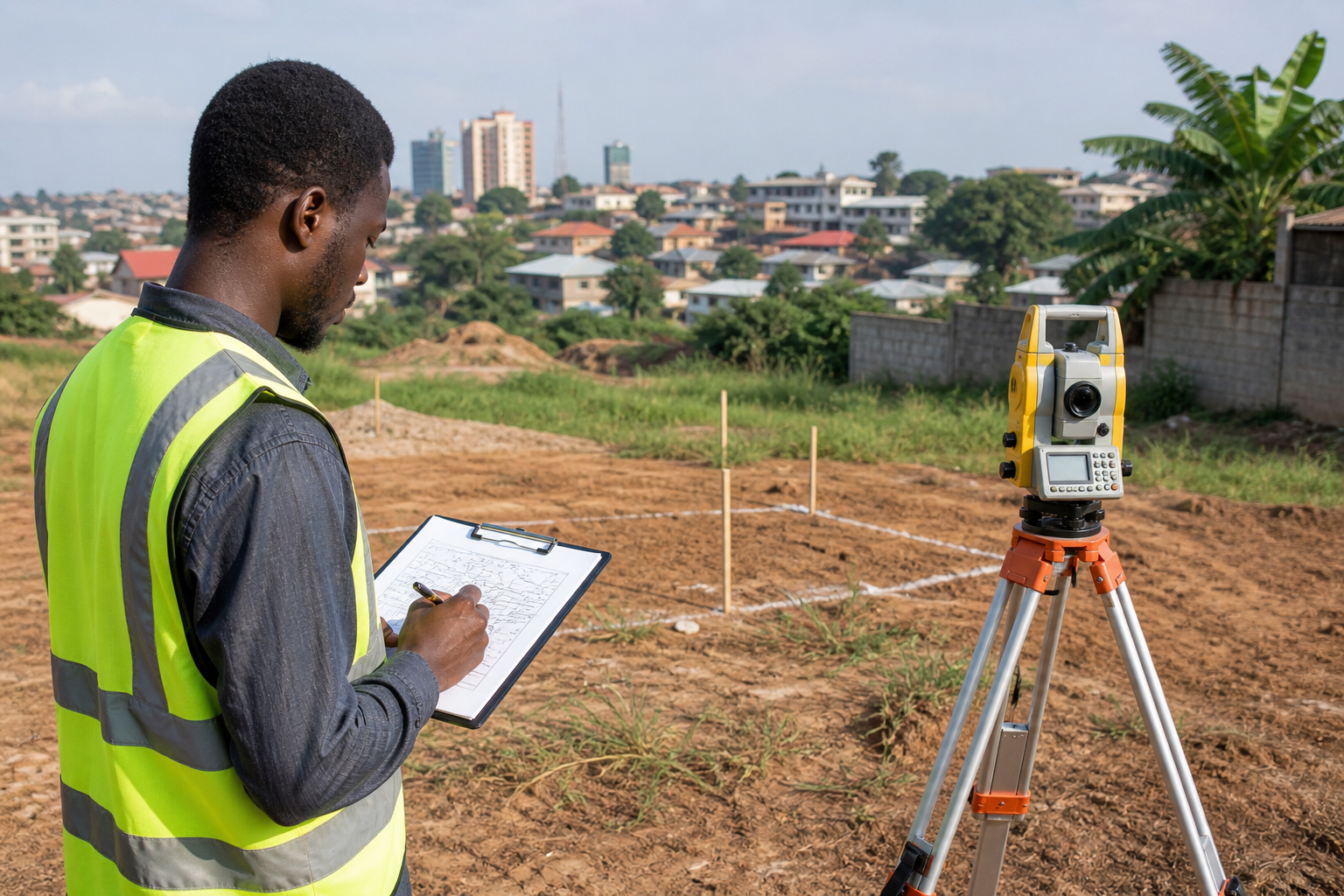
Before any building stands tall, before the drawings are made, and before the first block is laid, there is something quiet but powerful that must happen. It does not involve concrete, steel, or even software. It starts with understanding the land.
This is where site analysis in building design becomes important.
Many people rush into design. They open their laptops, sketch ideas, and imagine beautiful structures. But experienced designers know that good design does not begin with drawings. It begins with listening. And what they listen to is the site.
The First Step That Many Overlook
It is easy to get excited about designing a building. The creativity, the ideas, the vision of what could be—it is all very appealing. But when designers skip the step of studying the site, problems begin to appear later.
Walls may face the wrong direction. Rooms may become too hot. Drainage may fail. Spaces may feel uncomfortable. All because the land was not properly understood. Site analysis may not look exciting at first, but it is one of the most important steps in the entire design process.
What Site Analysis Really Means
Site analysis is simply the process of studying and understanding the land before designing anything on it. It is about asking questions and finding answers.
What does the land look like?
Is it flat or sloped?
Where does the sun rise and set?
How does the wind move across the site?
What is around the site?
These questions may seem simple, but they shape every design decision that follows. A good designer does not force a building onto the land. Instead, they allow the building to respond to the land.
How the Land Speaks Before You Design
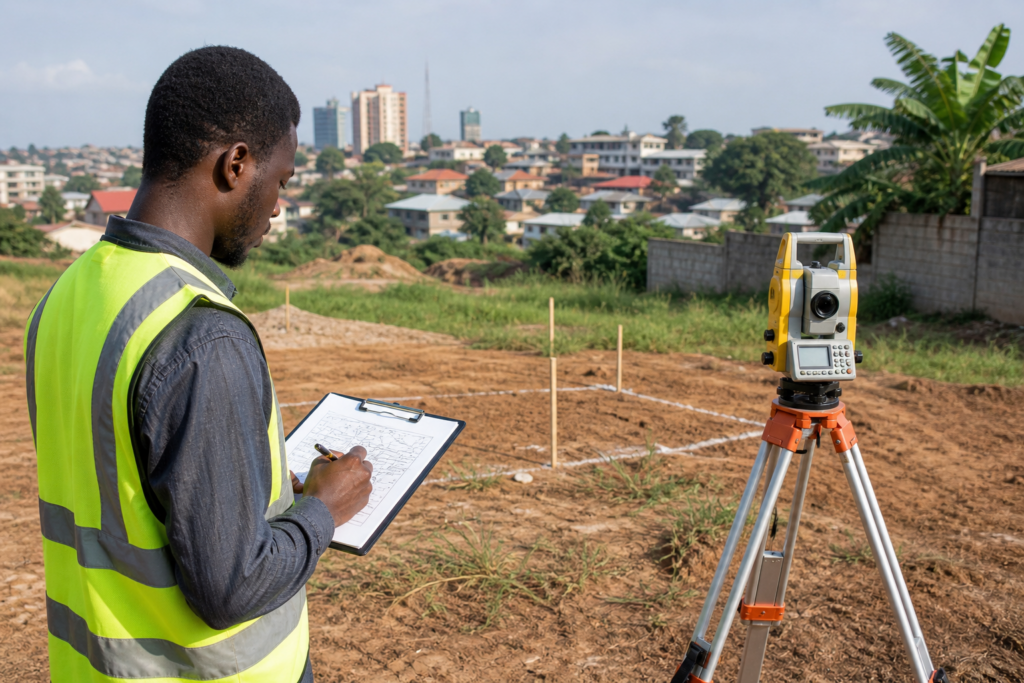
Every site has its own story. Some lands are quiet and open. Others are busy and surrounded by buildings. Some have strong winds, while others are calm. When a designer visits a site, they begin to observe. They notice the soil condition, the vegetation, the access roads, and even how people move around the area.
In places like Accra, where urban development is fast, understanding the site becomes even more important. Space is limited, and every decision matters. The land may not speak with words, but it gives clear signs. The designer’s role is to read those signs correctly.
Climate, Sun, and Wind: Invisible Forces That Matter
In Ghana, the climate plays a big role in how buildings perform. The sun can be strong, and temperatures can rise quickly during the day. Without proper planning, buildings can become uncomfortable and expensive to maintain.
Site analysis helps designers understand how to position buildings to reduce heat. By studying the sun’s path, designers can place windows and shading devices in the right locations.
Wind is another important factor. Proper airflow can make a building feel cool and fresh without relying too much on air conditioning. These invisible forces, sun and wind, can work for or against the building. Site analysis ensures they work in your favor.
Understanding People and Surroundings
A building does not exist alone. It is part of a community. It interacts with roads, neighboring buildings, and people. Site analysis helps designers understand how the building will connect with its surroundings. Where will people enter? How will vehicles move? What kind of activities happen nearby?
For example, a residential building near a busy road may need noise control. A commercial building may need easy access and visibility. By understanding the environment, designers create spaces that fit naturally into their surroundings.
Saving Time, Money, and Stress
One of the biggest benefits of site analysis is that it prevents problems before they happen.
When designers understand the site well, they make better decisions from the beginning. This reduces the need for changes later, which can be costly and stressful.
Poor drainage, structural issues, and uncomfortable spaces often come from ignoring site conditions. Fixing these problems after construction has started is expensive.
Good site analysis saves time, reduces cost, and improves the overall quality of the project.
When Site Analysis Is Ignored
Imagine building a house without checking the soil condition. After some time, cracks begin to appear. Or imagine placing large windows where the sun hits all day directly, making the interior too hot. These are not rare problems. They happen often when site analysis is skipped.
A beautiful design on paper can fail in real life if it does not respond to the site. This is why experienced designers never ignore this step.

Learning Site Analysis the Right Way
Site analysis is a skill that can be learned and improved with the right training. It is not just about observation; it is about understanding how to apply what you observe to design.
Modern tools like digital modeling and simulation software can help designers study sites more accurately. But the foundation remains the same—thinking carefully and observing deeply.
Why Deseret School of Design Matters
At Deseret School of Design, students are taught to approach design the right way—from the ground up. Site analysis is not treated as a small step, but as a key part of the design process.
Students learn how to study land conditions, understand environmental factors, and translate their findings into practical design solutions. The goal is to produce designers who do not just create beautiful buildings, but buildings that work well in real life.
By learning these skills, students become more confident and more prepared for real-world projects.
Conclusion
Every successful building begins with understanding its environment. Before the sketches, before the models, and before construction, there is a quiet moment where the designer studies the land.
That moment is what shapes everything that follows. Site analysis may not always be visible, but its impact is felt in every well-designed space. It ensures comfort, saves cost, and creates harmony between the building and its surroundings.
In a growing country like Ghana, where development is happening quickly, the need for thoughtful design is more important than ever. And thoughtful design always begins with understanding the site.